Every You Every Me (2024)
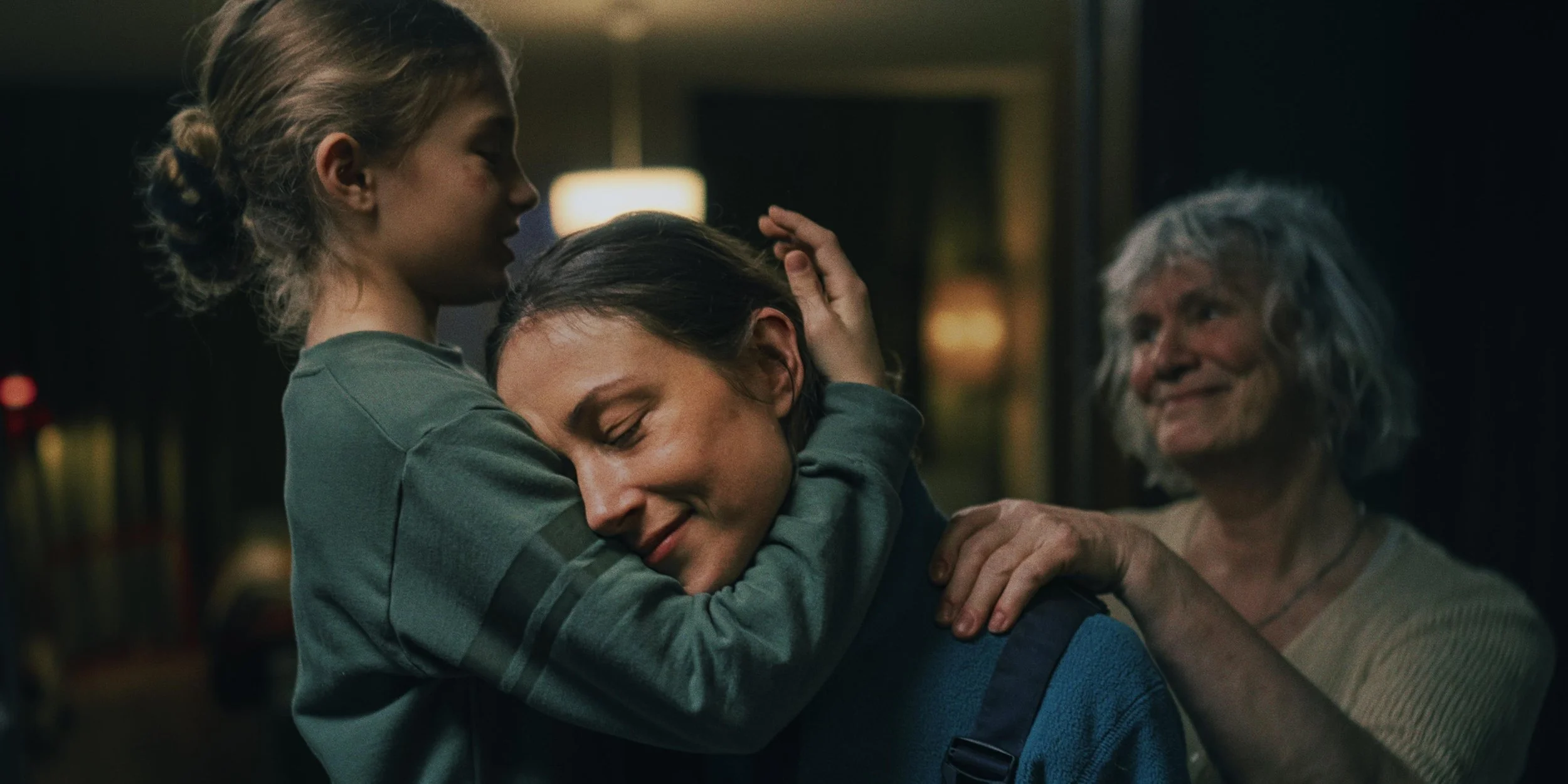
What stayed with me in Every You Every Me is how the film exposes both characters in a very vulnerable way. There is fragility on both sides, not just one. But the lens is clearly closer to the woman, how she sees her husband, how he changes in her eyes depending on the moment. Sometimes he becomes a small child when he acts with innocence, a teenager when he does something silly without thinking, and a grandmother when he softens, cares for her, and becomes gentle. The man is not one fixed character here. He is many phases, and she is the one who notices, interprets, and carries them.
The woman’s perspective on falling in love and falling out of love feels painfully honest. The strange, beautiful thing is that I felt love for the man with her, then felt hatred toward him at the end, and still felt tenderness for what he would become. The film lets you love someone, hate them, and worry about them at the same time. That is what makes it feel real.
The film is quiet, but this quiet is not comfort. It is exhaustion. The female character carries a lot. We watch her move from a joyful woman to someone deeply worn out in the present. Not because she is weak, but because she gave more than she received.
I wished I could see the story from the man’s point of view too, especially with a title like “Every You Every Me.” The title promises exchange, but the experience is mostly female. That is not a flaw. It just makes you hunger for another version of the story.
What the film does beautifully is avoid extremes. There is no endless misery and no endless happiness. The relationship moves like real life. A good day, a heavy day, an empty day. It truly felt like I was watching real life, not a constructed story.
My favorite scene is the scene in the pool, when she faces her husband and tells him she is afraid because she feels she cannot love him anymore, and how he accepts this and tells her he will fight so that she can love him again. That scene holds the heart of the film. Love is not a fixed feeling. It is a decision that either renews itself or dies.
The most painful part is the man’s sadness at the end, and how he starts to blame the woman’s work verbally, as if he is looking for an outside reason for something that is actually inside him. That he has become a stranger to her, and she has become a stranger to her own love for him.
Every You Every Me does not say that love dies suddenly. It says it changes, gets tired, gets sick, and sometimes does not heal. But it lets us feel every stage without lying to us.
